9 Oct 2026
Bleeding Gums When Brushing: Causes, Treatment and When to Worry
2 min readRead More
Worried about a root canal? Learn why you might need one, what happens step by step, how long it takes, and how to care for the tooth afterwards.
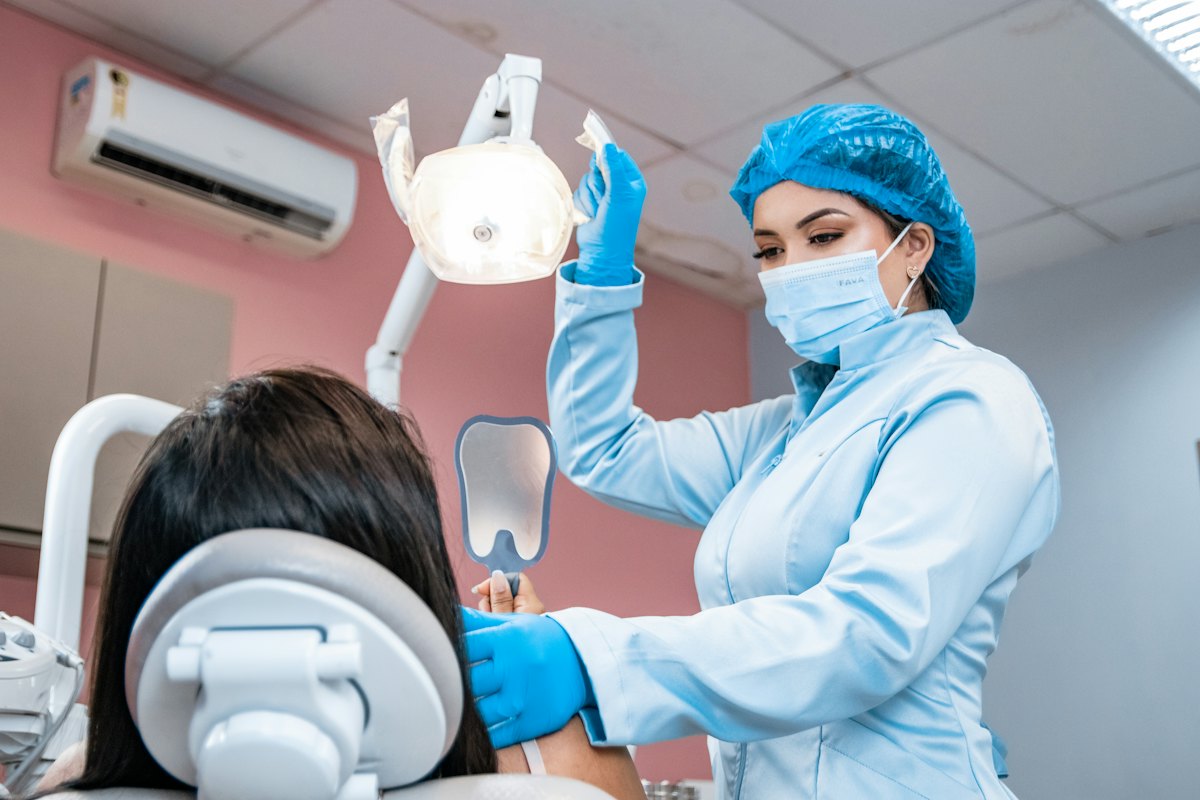
Root canal treatment is done under local anaesthesia and usually feels no worse than a filling. It takes one to three visits of about 60 to 90 minutes each. The dentist removes infected pulp from inside the tooth, cleans and seals it, then restores it, often with a crown. Mild soreness for a few days is normal.
"Root canal" is one of the most feared phrases in dentistry. But modern root canal treatment is routine and comfortable, and it's the main way to save a tooth that would otherwise need to be pulled out.
Inside every tooth is soft tissue called the pulp, which contains nerves and blood vessels. If deep decay, a crack or an injury lets bacteria reach the pulp, it becomes inflamed or infected. Root canal treatment removes that pulp, disinfects the canals inside the roots, and seals them.
Sometimes there are no symptoms at all, and the problem is found on an X-ray.
With local anaesthesia, most patients say it feels like having a filling. The pain people associate with root canals is usually the infection before treatment. Treatment relieves it.
After treatment, the tooth may feel tender for a few days, especially when biting. Over-the-counter painkillers, taken as directed, usually control this well.
| Situation | Typical visits |
|---|---|
| Front tooth, no major infection | 1 visit |
| Molar (back tooth) | 1–2 visits |
| Severe infection or abscess | 2–3 visits |
Each visit usually lasts 60 to 90 minutes.
Keeping your natural tooth is almost always better if it can be saved. A missing tooth can let neighbouring teeth drift, affect your bite and make chewing harder. Replacing it with a bridge or implant is usually more complex and more expensive than a root canal and crown.
Back teeth usually do, because they take strong chewing forces and a root-treated tooth can become brittle. Front teeth may only need a filling.
With a good restoration and regular check-ups, a root-canal-treated tooth can last for many years, often a lifetime.
Occasionally, infection can return. This is often treatable with a second root canal procedure. Good oral hygiene and a well-fitting crown reduce the risk.
Al Zahra Medical Centre on Sheikh Zayed Street offers root canal treatment with prices explained before you start. Book an appointment or call 06 743 7333.